
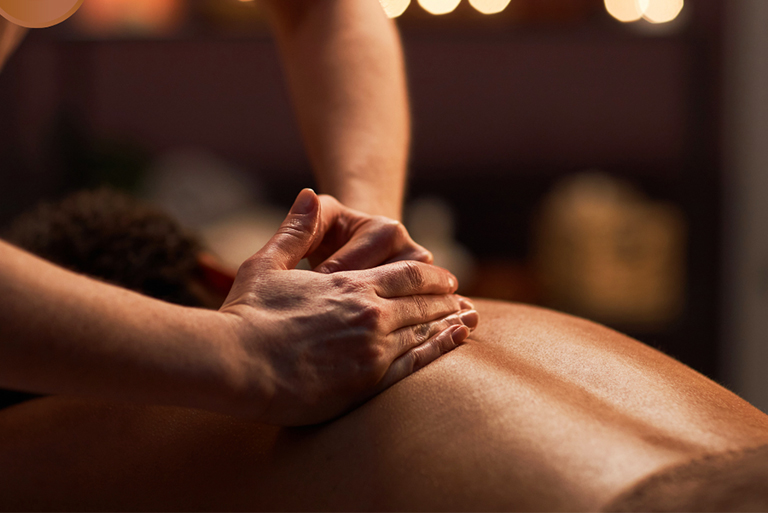
Massage speeds up recovery through circulation, nervous-system downshift and mechanical work on tight tissue. What it does not do, despite what half the internet and our own old version of this article claimed, is "flush out lactic acid". Lactate clears from your muscles on its own within about an hour of training, long before you reach any massage table. The soreness you feel two days after squats has a different cause, and massage helps with it through different, better-understood routes. Here's the honest version.
What actually makes you sore
Delayed onset muscle soreness, the stiffness that peaks a day or two after hard training, comes from microscopic damage to muscle fibres and the mild inflammation that follows. It's a normal part of adaptation: the muscle rebuilds slightly stronger. But while the rebuilding happens, you walk down stairs like a robot and negotiate with your own hamstrings.
Massage helps here in three documented ways. It increases local blood flow, which supports the repair process with oxygen and nutrients. It reduces the perception of soreness by calming the nervous system's alarm response, which is why a sore leg feels meaningfully better after being worked on even before the tissue has finished repairing. And it keeps fascia and muscle gliding against each other instead of stiffening into the tight, restricted pattern that turns one hard week into a month of reduced range.
Which massage, and when
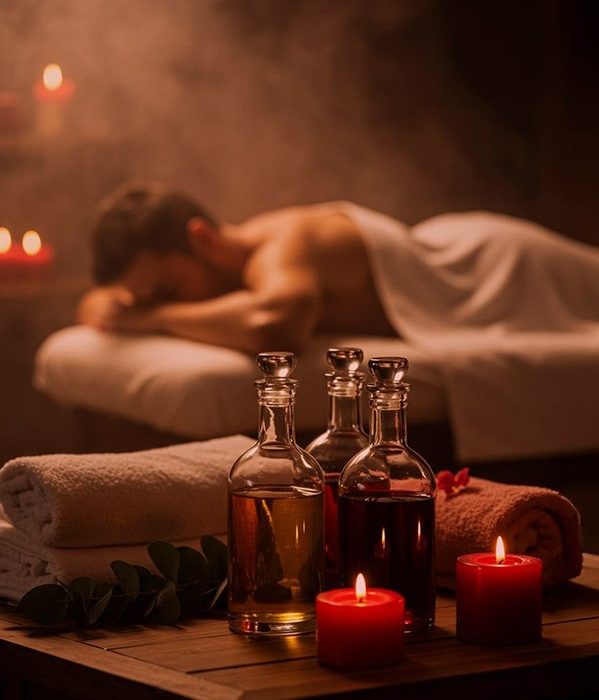
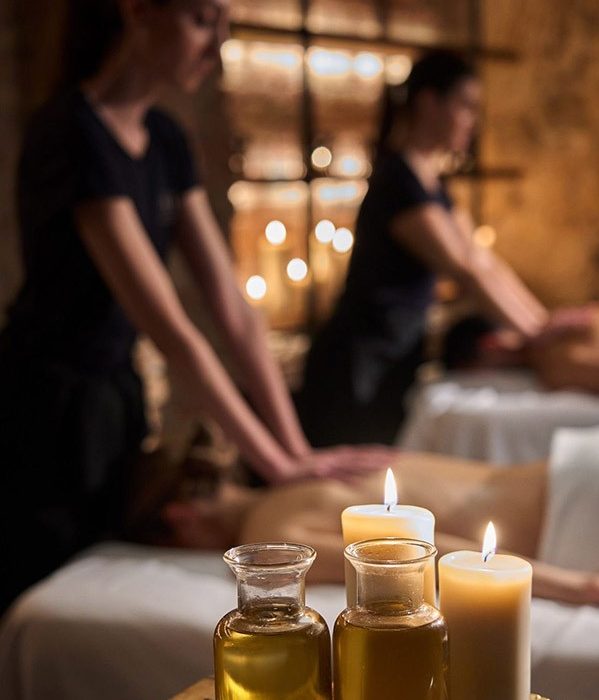
After a heavy session: wait a day. Right after max effort, muscles are inflamed and need rest, not more input. The sweet spot for a recovery massage is 24 to 48 hours post-training, exactly when soreness peaks. A sport massage is built for this window.
Between training blocks: a firmer deep tissue session every week or two works on the chronic tightness that accumulates over a training cycle: hips that stopped extending, shoulders that forgot where down is. This is maintenance work, best done on rest days.
Before competition: lighter and shorter is the rule. Deep work before a race can leave muscles temporarily weaker; save the heavy session for after the finish line, when it doubles as a reward.
General training support: a monthly full body massage keeps the whole system honest, including the parts your programme neglects. Runners' upper backs and lifters' calves send their regards.
The part athletes underrate
The biggest recovery effect of massage may be the most boring one: sleep. Hard training raises baseline nervous-system arousal, and many athletes quietly sleep worse during heavy blocks, which sabotages the very adaptation they're training for. An evening massage reliably deepens that night's sleep, and sleep is where all actual recovery happens. If you track your training but not your rest, the massage table is where those two ledgers meet.
One more honest note: if a specific spot hurts sharply during or after training, that's a physio question first and a massage question second. We wrote about the difference between normal post-massage soreness and warning signs in why does my back hurt after a massage; the same logic applies to training pain.
FAQ
Should I get a massage right after my workout?
Give it a day. The 24-to-48-hour window after training is when massage meets soreness at its peak and does the most good.
Does massage remove lactic acid?
No, and it doesn't need to: your body clears lactate within about an hour of training on its own. Massage helps recovery through circulation, nervous-system calming and tissue work instead.
How often should someone training 4-5 times a week get massage?
Weekly during heavy blocks, every two weeks for general training. Consistency beats intensity here, the same as in your programme.
Sport massage or deep tissue for gym recovery?
Sport massage for the training cycle rhythm, deep tissue for specific stubborn spots. Describe your week on WhatsApp (+971 56 735 5473) and we'll match the session to it.
Can massage replace rest days?
No. It makes rest days work better, which is not the same thing. The training-rest-massage triangle needs all three corners.