
Deep tissue massage works slowly into the muscle layers that lighter styles never reach. It's the right choice when the same knot has lived between your shoulder blades for months and polite stroking hasn't evicted it. At U Spa in Al Barsha, sessions run 60 to 120 minutes from AED 750, every day from 10:00 to 05:00.
How deep tissue actually works
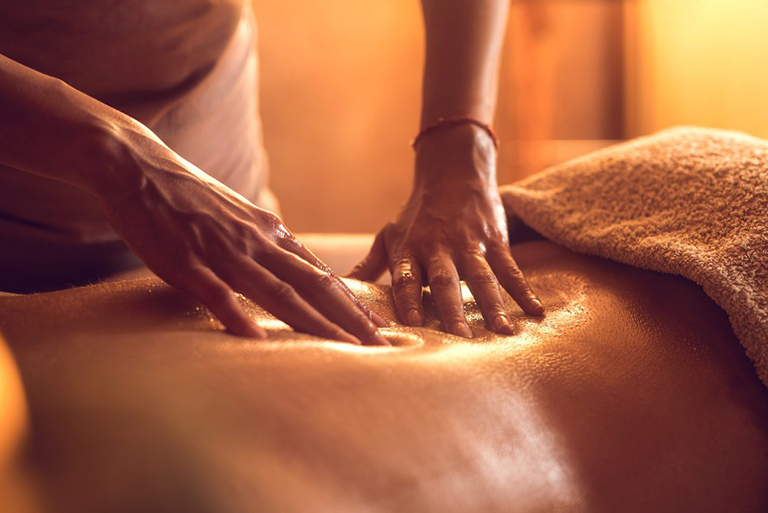
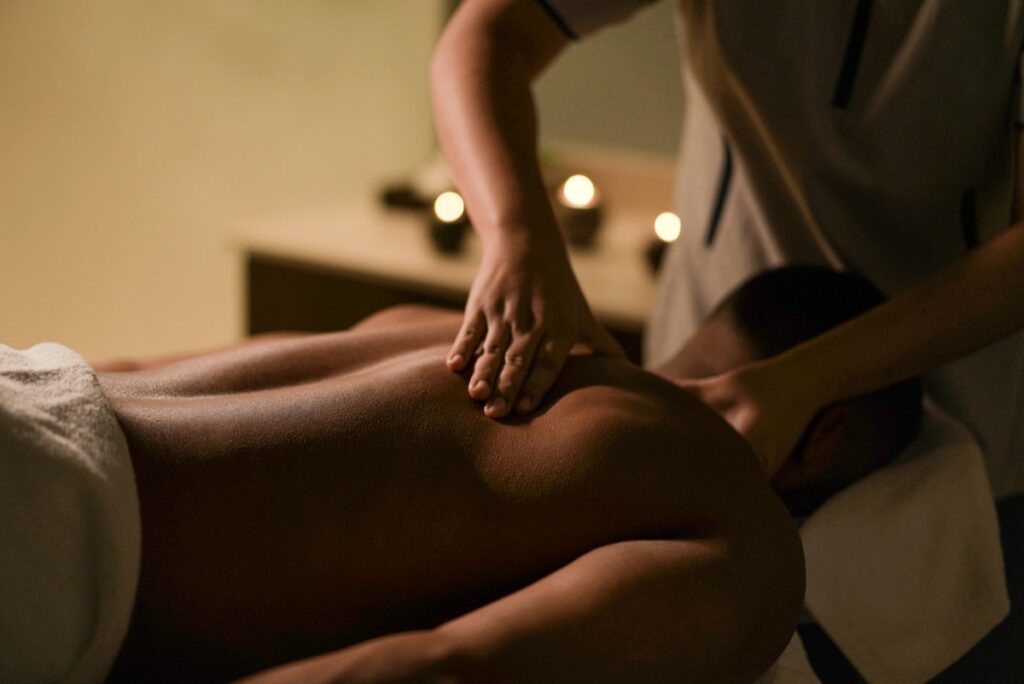
The name gets misunderstood. Deep tissue doesn't mean maximum pressure everywhere; it means slow, deliberate work through the superficial muscle into the layers beneath. The therapist warms the area first, then uses knuckles, forearms and sustained pressure to follow a tight band of muscle until it lets go. On a genuinely stubborn spot that can take a few minutes of patient, focused work.
Speed is the tell. A therapist rushing through deep tissue is doing a hard Swedish massage and calling it something else. Real deep tissue is unhurried, because tissue under pressure needs time to release, and forcing it just makes the muscle brace harder. Our therapists come from classical European and sports massage training, where this patience is drilled in early. On a cold or braced body, a short hot stone massage first makes the deep work easier to take, since heat relaxes the tissue before the pressure begins.
What a session actually looks like
You arrive, change, and spend two or three minutes telling the therapist where the problem is and what you've already tried. This conversation is worth having properly: "my right shoulder, worse after long drives, three months now" gets you a different hour than "just relax me".
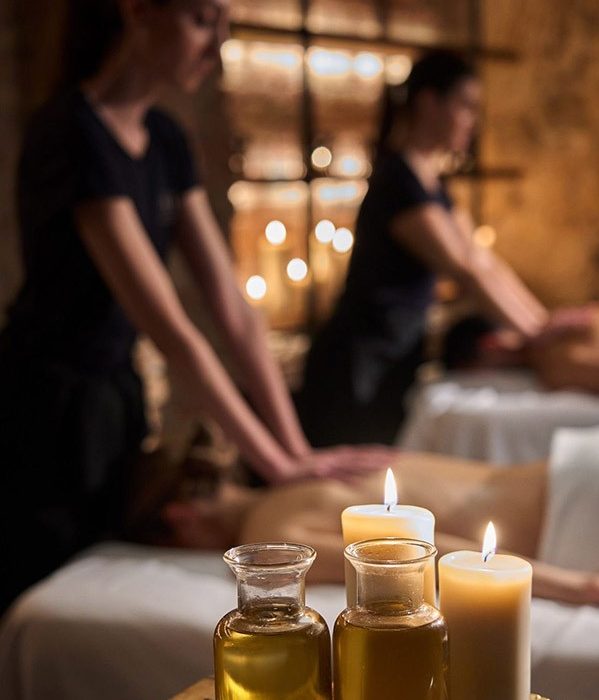
The first ten minutes are broad and warming, not deep. Then the therapist narrows to the problem area and stays there, working in slow passes and holding pressure on the spots that need it. On a 60-minute session that usually means one region done thoroughly, back and shoulders being the most common. Ninety minutes covers a region properly plus the connected areas, because a tight neck is rarely just a neck. At 120 minutes there's time for the whole body at depth, which is what regular guests book when they've stopped treating massage as an emergency measure.
Pressure is negotiated the whole way through, not set once at the start. The useful scale is simple: strong but breathable is right, holding your breath is too much. Say so and the therapist adjusts within a stroke.
What it helps with
The complaints that respond best, in the order we hear them at the front desk:
Desk neck and shoulders. Six hours a day of laptop posture builds tension that a relaxation massage only pats on the head. Deep tissue takes it apart layer by layer.
Lower back stiffness. Long drives, long flights, standing work. The lumbar area holds tension deep, which is exactly the depth this technique operates at.
Post-training soreness. Gym-goers and runners book deep tissue between training blocks. For pre-competition work, sport massage is the more specific tool.
Old knots. The ones you can point to with one finger. Trigger-point work inside a deep tissue session is the most reliable way we know to shrink them.
Prices
Rates include VAT and cover the whole session, with no per-area supplements.
| Duration | Price |
|---|---|
| 60 minutes | AED 750 |
| 90 minutes | AED 1,175 |
| 120 minutes | AED 1,500 |
Two discounts apply here. Before 15:00 the Early Bird rate is AED 400 for the classic 60-minute menu. Book with a friend and both bills drop 20%, in the same room or separate ones. The full grid for every treatment is on the price list.
Deep tissue, Russian or sport massage?
All three are firm. The difference is intent. Deep tissue targets specific problem areas with slow pressure. Russian massage covers the whole body with firm, varied technique and a faster rhythm. Sport massage is built around training cycles. If your problem has a location, book deep tissue. If your problem is "everything", book Russian. If your problem has a race date attached, book sport.
Getting here from across Dubai
We're on the R floor of the Donatello Hotel in Al Barsha, a walk from Mall of the Emirates and the Sharaf DG metro station, with free hotel parking. That puts us inside twenty minutes of most of western Dubai: the desks of Barsha Heights and TECOM, the gyms of Al Quoz, and the towers of JLT and Dubai Marina down Sheikh Zayed Road. Every district we cover is listed on the massage near me page.
After the session
Expect to feel worked. Mild soreness the next day is normal and means the tissue was actually reached; it fades within a day or two. Drink water, take it easy, skip the gym that evening. If you're wondering whether post-massage soreness is normal at all, we wrote an honest piece about why your back can hurt after a massage.
Book on WhatsApp at +971 56 735 5473. U Spa, R floor of the Donatello Hotel, Al Barsha. Open until 05:00 for those whose shoulders keep office hours but whose schedule doesn't.
FAQ
Is deep tissue massage painful?
It works at the edge of comfort, not beyond it. You'll feel strong pressure and the occasional "good hurt" on a releasing knot. Sharp pain means too deep, and one word to the therapist fixes it.
How much does deep tissue massage cost in Dubai?
At U Spa, AED 750 for 60 minutes, AED 1,175 for 90 and AED 1,500 for 120, VAT included. Before 15:00 the Early Bird rate brings a 60-minute classic session to AED 400.
How many sessions until a chronic knot goes away?
One session shrinks it, but a knot that took a year to build rarely leaves in an hour. Most guests see lasting change after two to four sessions spaced a week or two apart.
Can I request a female therapist?
Yes. Tell us when you book and we'll assign accordingly; most of our team is female and the request is routine rather than awkward.
Should I get deep tissue if I've never had a massage?
You can, but tell the therapist it's your first. They'll build depth gradually. Alternatively, start with a firm full body massage and graduate to deep tissue where needed.
Can I train after a deep tissue session?
Rest that day. The muscle has just been through a workout of its own, and stacking a gym session on top undoes half the benefit. Next morning you're good to go.
Deep tissue during pregnancy?
No. Deep pressure work isn't suitable during pregnancy. Message us and we'll suggest safe alternatives depending on your stage.
If the pain is the reason you are booking rather than the massage itself, we wrote a guide to which massage actually helps which kind of back pain.
Not sure whether you need this or a firmer Swedish session? We set the two side by side in deep tissue vs Swedish massage.
If the problem is the neck and shoulders after a desk week rather than the lower back, which session reaches it and how many it takes is in neck and shoulder tension from desk work.